
Canada Day is a good moment to take stock of what we’ve built together, and to celebrate a collection that reflects Canada’s extraordinary depth and diversity. This Canada Day, we’re celebrating twenty years of digitization partnerships, and the remarkable collection we’ve built together.
More than one million items totaling 390 terabytes of text, music scores, archival records, and ephemera are freely available to anyone with a browser. Parliamentary debates from the 1840s. Opera libretti in Italian. Newsletters produced inside Canadian penitentiaries. Tamil-language books printed in the 1800s (a project that won an ALA award). University of Toronto’s copy of Copernicus’s De revolutionibus (Basel, 1566), the book that placed the Sun at the centre of the universe, bears handwritten annotations attributed to Philippe van Lansberge, a Flemish astronomer who became one of heliocentrism’s most passionate advocates. This landmark of scientific history is now readable anywhere on earth.
This collection exists because Canadian libraries, archives, and partner institutions chose to digitize their holdings and share them openly. That choice, made again and again over twenty years, is what we’re celebrating today.
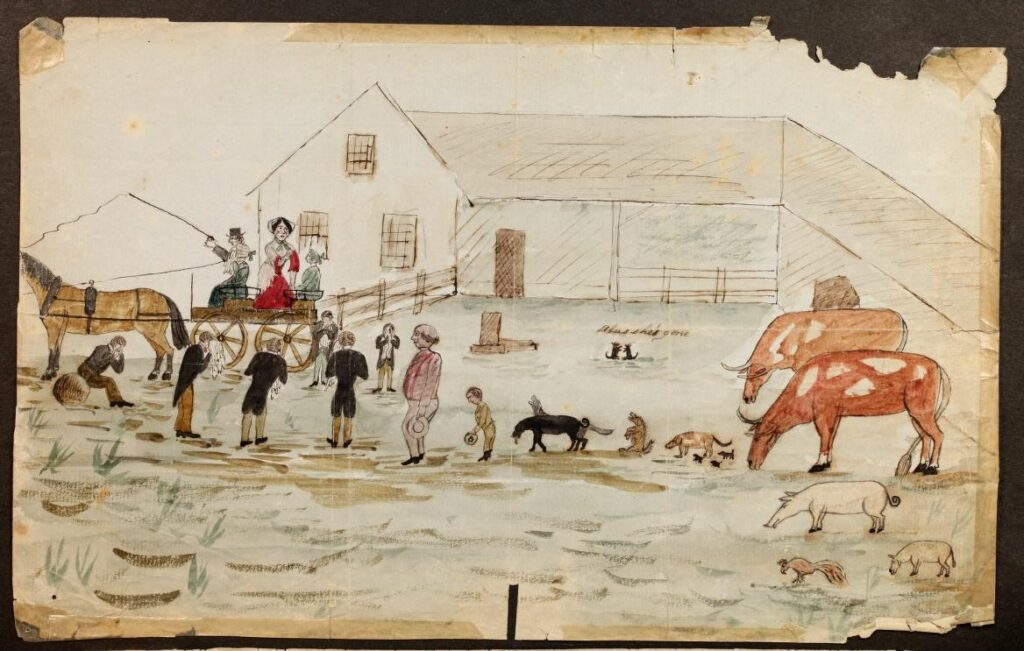
How it was built
Internet Archive Canada has operated digitization infrastructure at the University of Toronto since 2006, and at the University of Alberta since 2008, with scanning equipment and partnerships extending to other academic and public libraries across the country. The University of Toronto has been the anchor contributor, with well over 400,000 items from its libraries and archives. But this is a national effort. The University of Ottawa contributed over 11,000 items — 98% French-language. Queen’s, Western, Brock, Carleton, York, Guelph, the Legislative Assembly of Ontario, the Toronto Public Library: all appear here, their holdings digitized through partnerships. Canada’s breadth, in a search box.
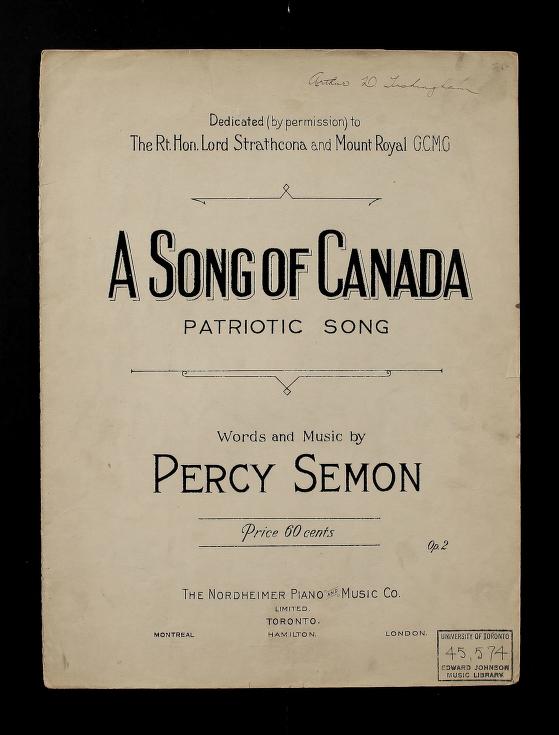
The holdings span content from roughly 1475 to the present, in approximately 90 languages. English and French dominate, as you’d expect. Looking closer, you’ll find 15,000 items in Chinese from the Cheng Yu Tung East Asian Library; over 1,100 items in Tamil; Arabic and Ottoman Turkish manuscripts; Yiddish documents in handwritten script; medieval Latin texts from the Pontifical Institute of Mediaeval Studies; and sheet music for Canadian songs published before Confederation. A Song of Canada by Percy Semon is a perfect song to enjoy for Canada Day! The collection also includes a 78 RPM recording. These collections map Canada’s academic and cultural history, and also reflect its diaspora communities directly.
The collection also holds materials in languages of the First Nations, Inuit, and Métis peoples, whose presence on this land predates Canada by millennia. We recognize that digitization is only one small part of the broader, ongoing work of reconciliation, and that Indigenous communities should have a voice in how their own languages and histories are stewarded and shared. Making these items freely accessible to language revitalization projects and community members, wherever they are, is one piece of that work.
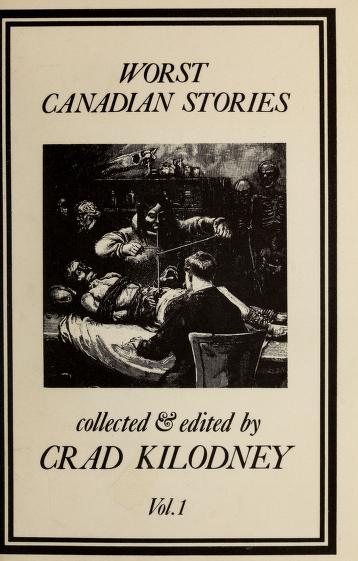
The Kelly Library at the University of Toronto holds one of the oldest items we’ve digitized from the first decades after Gutenberg, a 1475 edition of St. Augustine’s De civitate Dei. At the other end of the timeline: underground press publications from the 1970s, Ontario government reports, and 20th century newspapers from multicultural groups across Canada. The collection is not a curated highlight reel. It is the actual record, the institutional, personal, political, and mundane, of a society moving through time.
Why it matters
A researcher anywhere in the world can read the Sessional Papers of Canada from 1908. A student in any province can freely browse a century of Canadian history, tonight. A teacher can bring 19th-century Canadian primary sources into a classroom with a single link. Someone tracing their own family’s history can find original documents without traveling to where they’re held.
Libraries and archives have always been in the business of making knowledge available to people who couldn’t otherwise reach it. On Canada Day, we’re proud to be part of that work — and grateful to the many partner institutions, librarians, archivists, and digitization staff who have made this collection what it is.
Browse the collection at archive.org/details/toronto. Happy Canada Day from Internet Archive Canada.